

These are the Most Common Reasons People Need a Home Care Agency
As people age or manage disabilities, everyday activities that once seemed simple can become more challenging. Tasks such as bathing, preparing meals, getting dressed, managing medications, and moving safely around the home may require additional support. For families, recognizing when a loved one needs assistance is an important step toward maintaining their safety, independence, and quality of life.
A professional home care agency can help individuals remain comfortable in familiar surroundings while receiving personalized assistance tailored to their needs. For families seeking home care in the Bay Area, understanding the most common reasons people need support can make it easier to identify the right services and develop an effective care plan.
Here are three common aging and disability-related challenges that may call for professional home care, along with the types of assistance that can help.
1. Mobility Problems, Arthritis, and Fall Risks
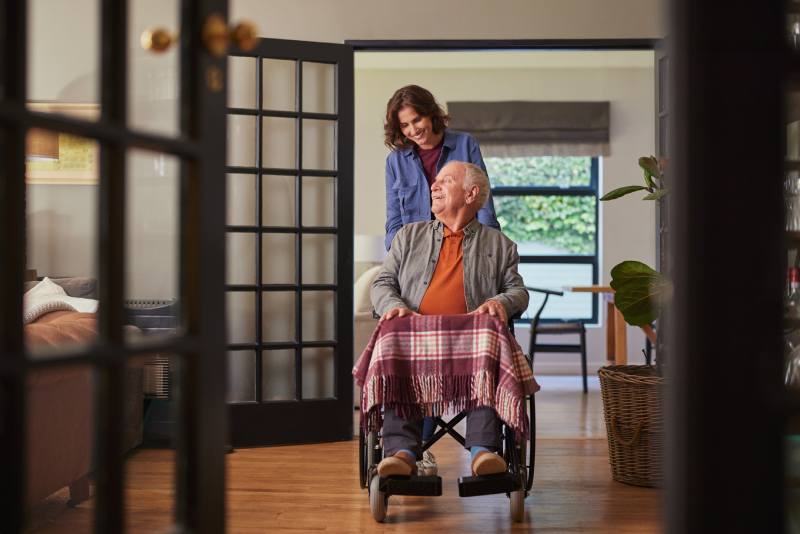
Reduced mobility is one of the most common reasons older adults and people with physical disabilities need home care. Arthritis, osteoporosis, muscle weakness, balance problems, and recovery from surgery or an injury can make walking and everyday activities more difficult.
When mobility declines, even routine tasks such as getting out of bed, using the bathroom, or preparing a meal can become potentially hazardous. Falls are a particular concern because injuries may lead to hospitalization, reduced independence, and longer recovery periods.
Types of home care that may help:
- Personal care assistance: Help with bathing, dressing, grooming, toileting, and other activities of daily living.
- Mobility and transfer assistance: Support with moving between a bed, chair, wheelchair, or other surfaces, according to the caregiver’s training and the individual’s care plan.
- Meal preparation and light housekeeping: Assistance with cooking, laundry, and household tasks that may be difficult or unsafe to perform independently.
- Companionship and supervision: A caregiver can provide company and help reduce certain everyday safety risks while encouraging appropriate independence.
- Respite care: Temporary relief for family members who regularly provide hands-on assistance.
Home care can also help families establish safer routines and recognize when additional equipment, home modifications, or professional medical evaluation may be appropriate.
2. Dementia, Alzheimer’s Disease, and Other Cognitive Challenges
Memory loss and cognitive changes can make it difficult for individuals to manage daily responsibilities safely. Alzheimer’s disease and other forms of dementia may affect memory, judgment, communication, orientation, and the ability to follow familiar routines.
People experiencing cognitive decline may forget meals or medications, become confused about the time or location, or struggle with tasks they previously completed without assistance. Some may wander or have difficulty recognizing potential household hazards.
The appropriate level of care depends on the person’s symptoms, abilities, and stage of cognitive decline.
Types of home care that may help:
- Companionship and routine support: Consistent interaction, conversation, and familiar daily activities can help reduce isolation and provide reassurance.
- Personal care: Assistance with dressing, bathing, grooming, eating, and toileting when cognitive changes interfere with these tasks.
- Safety supervision: Caregivers can help monitor everyday activities and follow an individualized plan to address wandering and other safety concerns.
- Meal and medication reminders: Reminders and assistance following an established routine can help, although medication administration should be provided only when permitted by the caregiver’s training and applicable requirements.
- Respite care for family caregivers: Scheduled support gives family members time to rest, work, and manage other responsibilities.
For individuals living with dementia, consistency is especially important. A dependable caregiver who understands the person’s preferences and routines can help create a more comfortable and predictable home environment. Home care does not replace medical treatment, but it can complement care from healthcare professionals.
3. Chronic Illness, Frailty, and Difficulty Managing Daily Activities
Chronic health conditions and age-related frailty can gradually make independent living more challenging. Conditions such as Parkinson’s disease, stroke-related disabilities, heart disease, diabetes, and other long-term illnesses may affect energy levels, coordination, strength, or the ability to complete daily tasks.
Some individuals need help only during recovery from an illness or medical procedure. Others require ongoing assistance as their condition progresses. A person may remain mentally alert and able to make independent decisions while needing considerable physical help throughout the day.
Types of home care that may help:
- Daily living assistance: Support with dressing, bathing, grooming, toileting, and other personal needs.
- Meal planning and preparation: Help preparing balanced meals that accommodate the individual’s preferences and any dietary guidance provided by healthcare professionals.
- Medication reminders and routine support: Assistance keeping track of schedules and following established care instructions, within the caregiver’s authorized role.
- Light housekeeping and errands: Help with laundry, tidying, grocery shopping, and other essential household responsibilities.
- Companionship and wellness observation: Regular interaction and attention to changes in daily functioning that may warrant communication with family members or healthcare providers.
- Post-hospitalization support: Nonmedical assistance with daily activities during recovery, alongside any skilled nursing, rehabilitation, or therapy services prescribed by the medical team.
Depending on the person’s condition, care may be needed for a few hours per week, several hours each day, overnight, or on a more frequent schedule. A personalized plan helps ensure that the level of support matches the individual’s abilities and circumstances.
Choosing the Right Home Care Agency in the Bay Area
Finding the right caregiver involves more than arranging help with household tasks. Families should consider their loved one’s physical abilities, cognitive needs, preferences, schedule, and desired level of independence.
When comparing Bay Area home care providers, ask about caregiver screening and training, experience supporting people with similar needs, scheduling flexibility, communication with family members, and procedures for responding to changing care requirements. It is also important to understand whether a provider offers nonmedical personal care, companionship, respite care, or specialized services, and when outside clinical support may be necessary.
The best care plans are individualized. Someone with arthritis may primarily need mobility and personal care assistance, while a person with dementia may benefit from structured routines and closer supervision. Another individual recovering from a stroke may need help with daily activities alongside services from licensed healthcare professionals.
Compassionate Home Care Helps People Maintain Independence
Aging or living with a disability does not automatically mean giving up the comfort and familiarity of home. With the right support, many individuals can continue participating in daily routines, maintaining relationships, and enjoying a greater sense of independence.
B.E.S.T. Care Provider understands the importance of finding appropriate support for individuals and families navigating changing care needs. If your loved one is having difficulty managing everyday activities, exploring professional home care can be a valuable first step toward creating a safer, more supportive living environment.
For families considering home care in the Bay Area, early planning can make it easier to identify the right assistance before everyday challenges become overwhelming. The goal is to provide respectful, individualized care that supports dignity, comfort, and quality of life.